Upper Norwood flats removals guide for narrow staircases
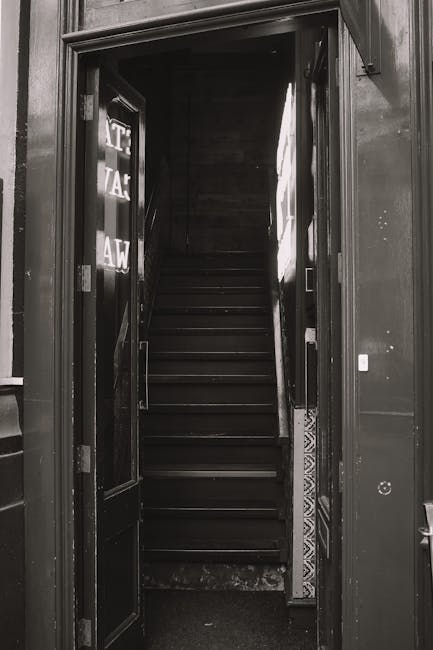
Moving out of a flat in Upper Norwood can be awkward enough on its own. Add a tight stairwell, a low ceiling, a sharp turn on the landing, and a sofa that looked perfectly sensible in the shop, and suddenly the whole thing feels like a puzzle with no obvious winner. This Upper Norwood flats removals guide for narrow staircases is here to make that move calmer, safer, and far less stressful. Whether you are leaving a top-floor Victorian conversion, a purpose-built block, or a compact rental flat, the details matter.
In practice, the difference between a smooth move and a very long day is usually planning. A little measurement here, a bit of packing discipline there, and the right moving method can save a lot of headache. Truth be told, staircases do not care how careful you are, so the job is to prepare for them properly. Below, you will find a step-by-step approach, practical comparisons, common mistakes, and a realistic checklist for moving furniture through tricky stairwells without drama.
Why Upper Norwood flats removals guide for narrow staircases Matters
Upper Norwood has plenty of properties where access is not exactly generous. Narrow stairs, awkward bends, shared entrances, and old stair rails can all turn a normal flat move into a technical one. That is why this topic matters: moving through a tight staircase is not just about strength. It is about geometry, timing, and protecting both the property and your belongings.
There are a few obvious risks. Furniture can scrape walls, mirrors can catch on banisters, and a small misjudgement on a landing can lead to dropped items or strained backs. And let's be honest, nobody wants the last memory of a move to be an argument with a wardrobe halfway down the stairs. In a flat move, the staircase is often the bottleneck, so planning around it usually gives the biggest payoff.
This is also where local knowledge helps. In many Upper Norwood flats, access is tight because of older layouts, split-level floors, or converted houses. A moving plan that works well for a ground-floor property may be useless here. If you are comparing moving options, it can help to read the wider guidance on home moves and the practical fit of a man and van style service for smaller loads.
How Upper Norwood flats removals guide for narrow staircases Works
The process starts long before moving day. The moving team, or you if you are doing it yourself, should assess the staircase, landings, and door widths. The aim is to understand what will fit, what will not, and what may need dismantling. A wardrobe that looks manageable in the living room can become a stubborn, twisting beast the moment it reaches the first bend.
In a narrow-staircase move, the load order often matters as much as the item size. The best route is usually the one with the fewest rotations and the least chance of impact. Sometimes that means taking the largest items first. Sometimes it means doing the opposite and clearing smaller boxes to create space. There is no one-size-fits-all answer, which is why a proper pre-move assessment is so useful.
Most good plans will include:
- measuring stair width, ceiling height, and landing space
- checking if handrails or light fittings reduce clearance
- identifying items that need dismantling
- protecting walls, bannisters, and door frames
- choosing the right lifting method and team size
When the staircase is especially tight, it may be more efficient to use a smaller vehicle and a more flexible crew. For many flat moves, a well-planned removals van can be a better fit than a larger truck, especially where parking and access are limited. That said, the right choice depends on volume, timing, and the exact access situation.
Key Benefits and Practical Advantages
Getting the staircase plan right does more than protect the furniture. It can reduce moving time, lower the risk of damage, and make the whole day feel less chaotic. People often focus on cost first, which is fair enough, but access issues can quietly create expensive delays if they are ignored.
Here are the main advantages of planning for narrow stairs properly:
- Less damage risk: careful handling means fewer scrapes, dents, and broken corners.
- Better time control: items move more efficiently when the route is worked out in advance.
- Lower physical strain: fewer awkward lifts means less risk of back or shoulder injuries.
- Cleaner handover: walls, paintwork, and bannisters stay in better condition.
- Less stress on the day: a plan gives everyone a shared sense of direction.
There is a less obvious benefit too. When the moving team knows they are dealing with a difficult staircase, they tend to bring the right materials and work more methodically. That small shift in mindset can make a huge difference. You can feel it on the day: less rushing, fewer stops, more steady movement.
If you are moving a larger household load rather than a small flat contents shift, it may be worth comparing your setup with broader options such as house removals or more specialist house movers. The staircase problem is the same, but the scale changes the logistics quite a bit.
Who This Is For and When It Makes Sense
This guide is for anyone moving out of a flat in Upper Norwood where the stairs are narrow, steep, or oddly shaped. That includes renters, first-time buyers, long-term owners, landlords clearing a property, and even people helping family members move a few bulky items.
It makes particular sense if you are dealing with any of the following:
- top-floor flats with a long staircase
- period conversions with tight turns
- shared entrances and limited hallway space
- heavy furniture, white goods, or fragile items
- limited parking near the property
- time restrictions on access or lift use
If your move is relatively small and you mainly need muscle, transport, and careful handling, a man with van option may be a sensible fit. For others, especially if there are lots of stairs and a full flat to clear, it may be better to look at broader removal services with packing support and more than one mover.
To be fair, people often only realise they need this kind of guidance after they have tried to shift a mattress around a landing. By then, everyone is a bit more philosophical.
Step-by-Step Guidance
A narrow-staircase move becomes much easier when you break it into stages. Here is a practical way to handle it.
- Survey the route. Measure the staircase width, landing depth, and door openings. Check for awkward corners, low ceilings, or fixtures that reduce clearance.
- List large items. Make a simple inventory of beds, wardrobes, sofas, desks, washing machines, and anything else that may need dismantling or special handling.
- Decide what to strip down. Take apart bed frames, remove table legs, and clear shelves where possible. Keep screws and fittings in labelled bags.
- Protect the property. Use covers for bannisters, furniture blankets, and floor protection where needed. Even a brief scrape on a painted wall can become annoying later.
- Pack for access, not just storage. Put heavy items in smaller boxes. Keep fragile items separate. Avoid overfilled boxes that are hard to turn on stairs.
- Plan the loading order. Decide which items come out first and which should wait until the route is clear. Some crews start with the trickiest item while energy is high.
- Use clear communication. One person should direct the move. Simple calls like "pause", "tilt", or "down a step" reduce confusion.
- Check the final sweep. Once the flat is empty, inspect corners, stair rails, and common areas for any marks before you hand back the keys.
If you are using packing help, a dedicated packing and unpacking services option can save a lot of time. In a stair-heavy flat, good packing is not a luxury. It is part of the access solution.
Expert Tips for Better Results
A few small habits can make the day go much more smoothly. None of these are glamorous. They just work.
- Measure twice, move once. If a sofa barely fits on paper, assume it will be worse in real life.
- Use the right grip. Items should be lifted from stable points, not by loose edges or fragile handles.
- Keep stairwells clear. Shoes, bags, recycling, and loose bits of packing should be removed before the move starts.
- Use short pauses. On tight stairs, brief rests are better than trying to rush through a difficult turn.
- Protect corners first. Corners and banister ends are the usual trouble spots, so cover those early.
- Have a fallback plan. If an item clearly will not fit, do not force it. Dismantle, reroute, or rethink the order.
One simple but useful tip: photograph awkward staircases before moving day. It helps people visualise the route, and it avoids that classic moment of "Oh, I thought the turn was wider." Happens all the time, honestly.
For bigger moves where timing matters, you may want to compare movers with a more vehicle-led option such as a moving van. The choice depends on volume, but also on how much manoeuvring space you have outside the building.
Common Mistakes to Avoid
Most staircase problems come from avoidable decisions. That is the annoying part. The good news is that the same mistakes show up again and again, which makes them easy to prepare for.
- Not measuring properly: guessing the width of a staircase is how people end up stuck on the landing.
- Overpacking boxes: heavy boxes are harder to turn and much harder to carry safely.
- Leaving dismantling too late: if a wardrobe needs to come apart, do not discover that at 8 a.m. on moving day.
- Ignoring parking: if the van cannot stop close enough, every step becomes longer and more tiring.
- Forgetting protective materials: a few blankets and covers can save a lot of frustration later.
- Trying to force oversized items: narrow stairs are unforgiving. They are also excellent at exposing optimism.
A common local issue in Upper Norwood is assuming the staircase will be manageable because the flat itself feels spacious. The route out of the building is what matters. A lovely living room does not help much if the banister makes the final turn a nightmare.
Tools, Resources and Recommendations
You do not need specialist kit for every flat move, but the right equipment helps enormously when stairs are involved. In many cases, a moving team will bring the essentials. If you are doing part of the work yourself, it is worth having a few basics ready.
| Tool or item | Why it helps | Best used for |
|---|---|---|
| Furniture blankets | Protect surfaces from knocks and scrapes | Sofas, tables, wardrobes, stair rails |
| Straps | Improves control and balance during lifts | Large or awkward items |
| Mattress covers | Keeps bedding clean while moving through tight spaces | Mattresses and divan parts |
| Sturdy boxes | Supports neat stacking and safer carrying | Books, kitchenware, clothes, small valuables |
| Labels and marker pens | Makes unpacking simpler and quicker | Room-by-room organisation |
| Door and wall protectors | Reduces marks on tight corners | Shared hallways and narrow landings |
If you want a fuller moving plan, it can also help to compare route-specific options with broader removals or even smaller-load support like man and van removals. The best choice is the one that fits your actual access, not the one that sounds biggest.
And yes, a tape measure really is one of the best tools in the room. Not very exciting, but dependable. A bit like a good kettle.
Law, Compliance, Standards or Best Practice
Flat moves with narrow staircases are not usually about legal drama, but there are still sensible standards to keep in mind. In the UK, moving work should be carried out with care for health and safety, damage prevention, and the rights of neighbours and building occupants. That generally means avoiding unsafe lifting, keeping communal areas clear, and using proper handling methods.
If a move involves shared entrances or communal stairwells, it is good practice to protect the property and minimise disruption. In practical terms, that means using covers, maintaining a clear route, and checking whether the building has any access rules or booking windows. For rental properties, it is also sensible to confirm what the landlord or managing agent expects before moving day arrives. Small details, big difference.
Insurance is another key point. If a stairwell move goes wrong, the question is not just whether items can be carried, but whether the mover has the right cover and procedures in place. If you are checking this, a page like insurance and safety can help you think through the basics. You may also want to understand the company's approach to health and safety before booking.
Best practice is simple: plan the route, protect the property, lift safely, and do not force items through spaces that are clearly too tight. That sounds obvious. Still, it is where many problems begin.
Options, Methods, or Comparison Table
There are usually several ways to handle a flat move with narrow stairs. The right choice depends on volume, budget, access, and how much DIY you are willing to do.
| Method | Best for | Strengths | Trade-offs |
|---|---|---|---|
| DIY move with friends | Very small loads and light furniture | Lower direct cost, flexible timing | Higher physical effort, more risk if items are bulky |
| Man and van | Small to medium flat moves | Flexible, practical for tight access, often easier to park | May still need careful planning for awkward items |
| Full removals team | Larger flat contents or fragile loads | More hands, better handling, often faster | Higher cost than basic transport-only options |
| Packing plus removals | Busy households, fragile items, short timelines | Less stress, more organised, easier unpacking | Extra service cost, needs early booking |
If your flat contains a lot of bulky items, it may also be worth exploring whether a larger vehicle is practical through removal truck hire. Just remember: a bigger vehicle is not always a better fit if the stair access is the real constraint.
Case Study or Real-World Example
Here is a typical scenario. A couple in an Upper Norwood flat on the second floor needed to move a bed frame, wardrobe, sofa, dining table, and around twenty boxes. The hallway was narrow, the staircase turned sharply halfway down, and the front entrance had limited space for unloading. Nothing extreme, but enough to make the move fiddly.
Instead of trying to treat it like a straightforward lift-and-carry job, they measured the stairwell, dismantled the bed and wardrobe in advance, and packed books into smaller boxes. The sofa was wrapped properly, and the team agreed the larger items would go out first, before the stairwell became cluttered with boxes. The result? Fewer stoppages, no damage, and a move that stayed on schedule.
The interesting bit was not the furniture. It was the sequence. Once the route was clear and the awkward items were handled with a plan, the rest of the move felt much easier. That is usually how these jobs go. The staircase decides the rhythm, so it pays to respect it.
If the property is part of a larger move, or if you are coordinating multiple rooms at once, the same logic applies. Think route first, furniture second. It is a small mindset shift, but a useful one.
Practical Checklist
Use this checklist a day or two before moving:
- Measure staircase width, landing size, and door frames
- Check whether large furniture needs dismantling
- Label all screws, fittings, and small parts
- Pack heavy items into smaller boxes
- Reserve parking or loading access where needed
- Protect bannisters, corners, and floors
- Clear the staircase, hallway, and entrance before movers arrive
- Keep drinks, snacks, and essentials easy to reach
- Confirm the moving order for bulky items
- Take photos of any existing marks for your records
- Check insurance and safety arrangements if using a professional service
- Do a final walk-through of the flat and common areas
Expert summary: If the staircase is narrow, do not let the move become a test of brute force. Good measurement, sensible packing, and the right transport choice will usually solve more problems than sheer effort ever will.
Conclusion
Moving out of an Upper Norwood flat with a narrow staircase is very doable, but it rewards careful preparation. The staircase is not just part of the route; it is the main event. Once you understand that, the rest becomes much more manageable. Measure properly, dismantle what you can, pack in a way that suits the access, and choose a moving method that matches the property rather than the other way round.
Whether you are booking a small-load service, organising a full flat move, or just trying to avoid a miserable afternoon with a mattress and a bannister, the same principle holds: respect the space and plan around it. That is how you save time, reduce stress, and protect the things you care about.
Get a free quote today and see how much you can save.
And if nothing else, remember this: a tight staircase can be handled. It just likes a bit of patience and a proper plan.
Frequently Asked Questions
How do I move furniture down narrow stairs in a flat?
Start by measuring the furniture and staircase, then dismantle anything that can come apart safely. Wrap the item, protect the walls, and move slowly with clear communication. If the piece barely fits, do not force it.
What should I measure before a flat move in Upper Norwood?
Measure the staircase width, the tightest corner, landing depth, door frames, and ceiling height on turns. These measurements tell you whether an item will fit upright, on its side, or only after dismantling.
Is a man and van suitable for flats with narrow staircases?
Often yes, especially for smaller to medium loads. A flexible vehicle and crew can be a better fit where parking and access are tight. For larger loads, a fuller removals setup may be more practical.
Should I dismantle furniture before moving day?
Usually yes. Beds, tables, and modular wardrobes are much easier to handle when taken apart. Keep the fittings labelled and together so reassembly does not become a scavenger hunt later.
How do I protect walls and bannisters during a staircase move?
Use furniture blankets, corner protectors, and floor covers where needed. The main aim is to stop hard edges from scraping painted surfaces or catching on narrow turns.
What if my sofa will not fit around the landing?
Try rotating it carefully, removing feet or detachable arms, or changing the angle of approach. If it still does not fit, a dismantling option or an alternate exit route may be needed. Sometimes the honest answer is simply no.
How much extra time do narrow stairs add to a move?
It varies, because access can be deceptively tricky. A move with multiple flights, awkward turns, or heavy items will usually take longer than a straightforward ground-floor job, so it is wise to allow extra time rather than run the day too tightly.
Do I need special insurance for a staircase move?
If you are hiring movers, it is sensible to check what cover they have and how they handle property protection. Insurance and safety arrangements matter more when access is tight, because the chance of knocks and scrapes increases.
What is the biggest mistake people make with flat removals?
The biggest one is underestimating access. People often plan around the furniture and forget the route out of the building. In narrow-staircase moves, the staircase is the real obstacle, not the van.
Can I move a washing machine down narrow stairs?
Sometimes, but only if the route is suitable and the item can be handled safely. Washing machines are heavy, awkward, and unforgiving on turns, so they should be assessed carefully before anyone tries to carry them.
What is the best way to prepare a flat for moving day?
Clear the stairs and hallways, pack smaller boxes for heavy items, dismantle furniture in advance, and decide the loading order. A calm, tidy route makes the whole process easier, especially in older Upper Norwood flats.
When should I book removals for a narrow staircase flat?
As soon as you know your moving date, ideally a bit earlier if you have bulky furniture or shared building access. The more awkward the staircase, the more valuable early planning becomes.